Water is life, especially when a seasonal home sits quiet for months at a time. You want a pump that starts reliably when you unlock the door for a long weekend, but also one that won’t flood the cellar or waste energy when you’re not there. Over the years of helping families keep a cabin, a cottage, or a lakeside retreat supplied with steady water, I’ve learned that the right deep well pump is less about chasing the newest gadget and more about matching the pump to the well, the load, and the rhythm of the property. This guide pulls together field-tested observations, practical tips, and real-world tradeoffs to help you pick a deep well pump that’s resilient, repairable, and cost-effective for seasonal use.
What makes a deep well pump good for a seasonal home? A seasonal home tends to have patterns that shape the choice. You may have extended stretches with no use at all, followed by bursts of activity when relatives arrive or you decide to open up for a long weekend. The water demand is typically modest but can spike quickly during guest-heavy weeks. The electrical supply may be inconsistent at times, and access to service in the off-season can be limited. In that context, a contractor-grade pump that’s easy to service, robust in dry runs, and tolerant of occasional overuse or small power fluctuations often serves best. The goal is reliable water without constant babysitting, with a footprint that fits a lean maintenance schedule.
Understanding the well and the system in practical terms
Before listing models or brands, a quick tour of the underlying pieces helps. A deep well system has a few core components that interact in predictable ways:
- The pump itself, usually housed in a well casing several hundred feet deep. In smaller, shallower wells you might see a shallow well jet pump, but for most deep wells we’re talking submersible pumps or jet pumps designed for deep supply. A pressure tank or a well-known modern pressure switch and a bleed line that regulate how much water is stored and how the system responds to demand. A check valve at the well head or a foot valve near the pump that prevents backflow when the pump shuts off. A set of pipes, fittings, and electrical control gear. In seasonal setups, the wiring and control methods matter as much as raw lifting power, because you want the system to survive cold snaps and occasional power drops. An energy and reliability envelope. The pump should be sized so it does not run unnecessarily long to reach the usable pressure. A good match reduces wear and cuts energy bills.
When you walk a property with a seasonal schedule, a few numbers become your compass. How deep is the well? What is the static water level when the well is at rest, and how far does the pump have to move to reach the drop? What is the daily water demand during peak usage? The answers guide sizing—flow rate and head pressure, practically expressed as gallons per minute and the vertical lift in feet. A well that is 180 feet deep with a static level at 40 feet will present different demands than a well where the water line stays higher or goes lower in droughts. In these conditions, the selected pump should offer a margin for peak drawdown without constantly running at the limit to fill the tank.
Sizing and performance in the field
For seasonal homes, the practical sweet spot usually lands in two camps. You either want a pump that delivers modest but steady performance with high reliability and easy maintenance, or you want a bit more capacity so the system can handle a sudden surge in use without tripping the safety switch or starving the taps. A general rule of thumb is to select a pump with a rated flow that matches or slightly exceeds your typical peak draw while maintaining a comfortable head pressure. If your system uses a 30 to 40 PSI pressure range for most fixtures, you’ll want the pump to keep that pressure without hitting the limit during heavy usage in a tight window of time. In real terms, this often means a 1/2 to 1 HP submersible or a 1 to 1-1/2 HP jet pump, with some seasonal setups flirting with 1-1/2 HP to push a larger well.
From my own work with lakefront cabins, I’ve observed that seasonal homes benefit from a smooth-running pump with a forgiving start and a durable motor. A motor that has a thermal overload protector is a plus, especially when you’re away and a warm afternoon in mid-summer pushes the system with little oversight. In a few cases, we found that a slightly larger pump with a pressure tank provided better stability for long weekends, letting the tank do the bulk of the pumping while the motor rests, which reduces wear. In other scenarios, you’re balancing a smaller tank against a larger pump, trading a little more cycling for simpler maintenance.
The human factor matters as much as the hardware. In a seasonal home, accessibility and serviceability become deciding factors. A pump that’s easy to remove from the well, with standardized fittings that a local well professional can source quickly, saves time and money if service is required in the off-season. Real-world experience shows that the most reliable setups are those with clear labeling on the electrical connections, a straightforward wiring path, and a spare check valve on hand so you can swap quickly if you notice a drop in performance or the system loses prime after a freeze.
Two common configurations for deep wells in seasonal homes
- Submersible pumps: These sit inside the well, pushing water up through the discharge pipe. They are quiet and efficient, well suited for deep wells or where the water table is relatively low. Submersible pumps are less exposed to the elements and have fewer moving parts than the old jet systems, but you need a skilled hand to pull and service them if something goes wrong. Jet pumps (deep well jet or shallow well jet): These sit above ground and pull water up through a jet assembly in the well. They are easier to service in some cases and handle certain well conditions well, but they can be less efficient and more sensitive to lift height and suction losses.
In practice, a good seasonal setup often leans toward a submersible pump for its compact form and quiet operation. It also tends to have fewer service calls during the year simply because it lives in a protected environment. However, certain wells with a unique configuration or a well with higher static levels can make a jet pump a practical choice, especially if you value easier at-well maintenance or if you want to avoid pulling a pump in the winter.
Where to buy and how to think about brands
When you need a dependable deep well pump for a seasonal home, brand reputation and the support network matter almost as much as the raw specifications. In areas where you’re likely to be away for long stretches, having access to replacement parts and a service technician who knows the brand is a big edge. Goulds is among the brands that show up frequently in rural and seasonal settings. The name carries a long history in the water systems world and is often associated with robust, field-tested designs. Other credible options include Grundfos, Franklin Electric, and a handful of regional manufacturers that specialize in well systems. The common thread across these brands is they offer:
- A range of submersible models that cover shallow to deep wells, with different horsepower ratings to align with your head and flow requirements. Motor protection features and diagnostics that help in extended non-use scenarios. A motor that can tolerate stalling, or at least one that includes thermal protection that resets safely, is a real asset for a property that lies idle for long stretches. Availability of spare parts and local service networks, which translates into less downtime if something in the pump system requires attention.
Where to buy is a mix of local suppliers and national retailers. For a seasonal home, the advantage of working with a local supplier cannot be overstated. They often understand the seasonal cycle in your region, the quirks of local wells, and the kind of maintenance schedule that keeps a cabin running through cold snaps and dry spells. If you’re looking for a specific model, like a Goulds deep well pump, you can call ahead to confirm stock and anticipated lead times. If you’re buying more widely, you’ll want to confirm that the model is compatible with your well depth and that you can procure parts locally if you ever need a repair.
Designing a robust seasonal system
A well-designed seasonal water system avoids surprises by anticipating the gaps in the calendar. It’s not enough to pick a pump that simply meets the average demand; you want a system that can handle a rainy weekend when everyone wants a shower, a hot July afternoon when the irrigation cycles kick in, and a late winter frost when the system needs to be winterized but still ready to run when the first thaw arrives.
Consider a scenario I’ve seen a few times. A cabin sits on a 180-foot well with a static level around 60 feet, average seasonal use is modest, but during the summer family reunions the water flow jumps. A good approach is to pair a 3/4 HP submersible pump with a modest 40- to 60-gallon pressure tank. The tank’s job is to smooth out peak draws and cut down on the pump cycling, which reduces wear on both pump and seals. A switch with a programmable cycle or a pressure switch with a comfortable deadband can also help the system behave more predictably during busy weekends. The additional cost of a slightly larger tank or a more sophisticated switch is rarely wasted in a system that will see a handful of high-demand events each year.
Maintenance strategies for seasonal homes
- Winterization: If your location experiences freezing temperatures during the off-season, winterizing the system is non-negotiable. Drain the lines, disconnect power, and protect exposed equipment. A small amount of rust on the exterior isn’t a reason to panic, but you don’t want moisture to get into the electronics or onto the motor. Regular inspection: Even when you’re away, a quick mid-season check if someone is visiting can catch a leak or a drop in pressure before it becomes a bigger issue. A visual test of the pressure gauge and a quick check of the switch can go a long way. Spare parts and quick fixes: Keep a handful of spare o-rings, a check valve, and a few common fittings on site. If a seal leaks a little, you can often replace it without pulling the entire pump. Power readiness: If you’re in a place where power isn't reliable, consider a generator or a UPS for the pump control. A brief outage can cause the pump to lose prime, and a small battery backup can save hours of frustration. Seasonal service window: Schedule a professional inspection at the start and end of the season, especially if you use deep wells. A trained eye can detect wear and tear that untrained eyes miss, saving you downtime when you need water most.
A practical guide to choosing the best deep well pump for your seasonal home
No single model will fit every property. The right choice turns on fit, reliability, and the ease of service in your region. Here are practical steps to help you choose:
- Map the well characteristics: Confirm depth, static level, and yield from the well driller or your existing records. The more you know about the well, the better you can size the pump. Define the demand envelope: List the fixtures and approximate daily water usage during peak visits. Include irrigation if applicable. Don’t forget about the potential for a hot tub or other water-intensive features during gatherings. Pick a robust motor with protection: A pump with thermal overload protection and good motor windings can handle long draws or brief surges. It reduces the risk of a shutdown during a busy weekend. Favor serviceability: Choose a model and a brand with parts readily available locally. Seasonal homes benefit from a quick turnaround when a part is needed. Budget for the long game: A slightly more expensive pump that lasts longer and is easier to service can save money over several seasons. Don’t chase the lowest upfront price if reliability and serviceability suffer.
What deep well pumps to expect from a few well-regarded models
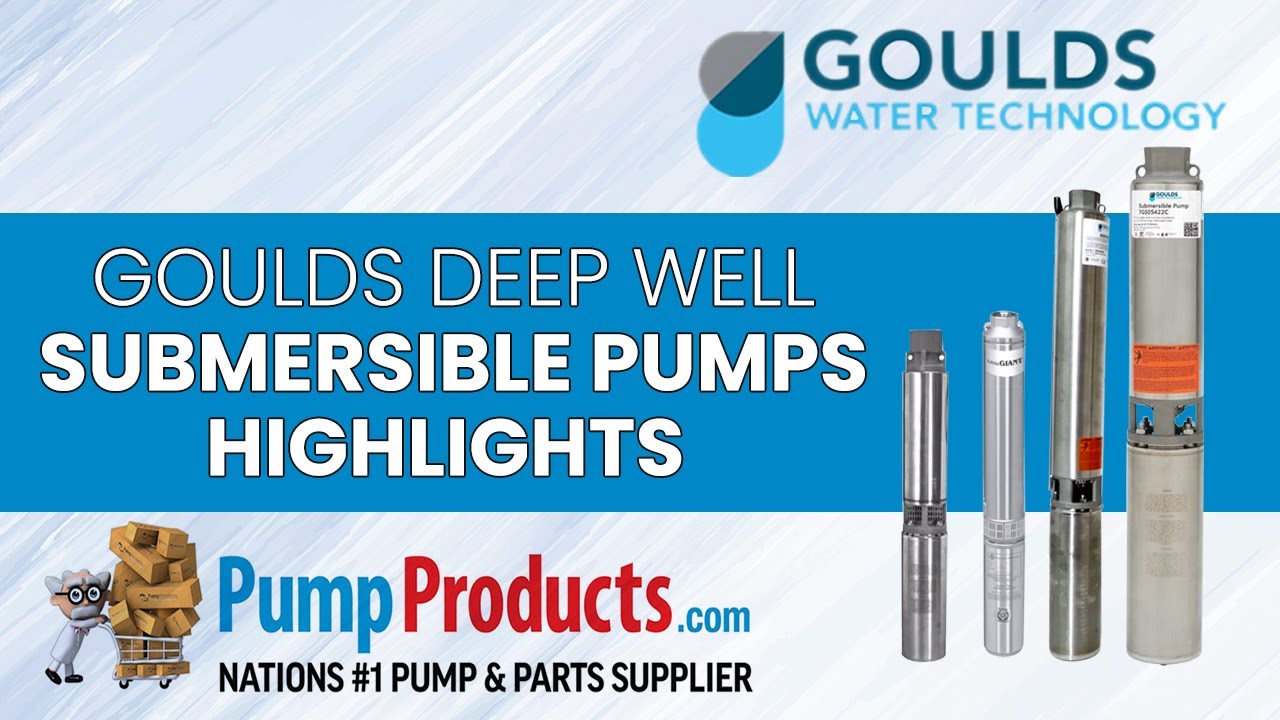
I won’t pretend there is a one-size-fits-all answer here. The reality is that the best deep well pump for a seasonal home depends on a mix of the well profile, the household load, and the local service ecosystem. That said, several brands are known for durability and ease of maintenance, particularly in rural and vacation-home markets. A pump from a well-regarded line tends to be straightforward to service, with common spare parts available through local suppliers. The Goulds family of deep well pumps is frequently mentioned in conversations about reliability and parts availability. It is not unusual to see a Goulds model paired with a standard pressure tank and a straightforward pressure switch in cabins and lakeside properties.
Two practical notes on the purchasing process
- If you’re searching for deep well pumps near me, start with a local plumbing supply house that services rural communities. They are often the best source for quick-turn parts and local expertise. If you must browse online, verify that the retailer ships the exact model you need and that they stock common spare parts. When you buy, insist on a complete package: the pump, the head or discharge assembly, wiring diagrams, a switch, and a set of fittings that match your existing piping. A well-rounded kit reduces the number of trips to the hardware store and speeds up installation.
A short reflection from the field

I’ve spent many weekends at cabins where the water system was a little frayed around the edges, then watched a new pump bring the place into a new era of reliability. One season, a cabin with a 140-foot well had a history of short cycling and heat-limited performance during the hottest days. We swapped in a 3/4 HP submersible with a larger pressure tank, added a small chiller on the hot water line for comfort, and installed a simple, robust switch that could tolerate occasional power interruptions. The effect was immediate: the system held pressure more steadily, the water stayed hot longer, and the family enjoyed a weekend without worrying about whether the pump would run or trip out.
Two lists to assist your decision
- Key considerations when selecting a deep well pump Well depth and static water level Peak daily water demand and essential fixtures Head pressure required by your fixtures Reliability and service network in your area Availability of spare parts and ease of maintenance Quick reference for common seasonal setups Submersible pump around 1/2 to 1 HP with a 40 to 60 gallon pressure tank Deep well jet pump when the well depth and configuration permit simple returns Thermal protection and overload safety built into the motor Clear labeling on electrical connections for easier off-season servicing Local supplier access for parts and service
Closing thoughts
Choosing the right deep well pump for a seasonal home is about balancing reliability, serviceability, and cost over time. You want a setup that remains quiet, efficient, and robust enough to handle the bursts of activity that come with gatherings and holidays, without requiring constant tinkering. The best choice will be one that your local well professional can support, with parts readily available and a design that keeps the system operational through the changing seasons.
If you approach the decision with a clear sense of your well’s characteristics and your typical usage, you’ll end up with a pump that disappears into the background, letting you focus on the moments that bring people to your place—the late-summer sunsets, the sound of a kettle on the stove, and the simple satisfaction of clean water on demand. The right pump is not just hardware—it’s quiet continuity, the backbone of your seasonal retreat, and a relief that the water will be there when you return.